Title: Mark Wahlberg on the “Right Way” to Use AI in Movies—And Why He’s Open to an AI Clone Continuing His Legacy
If you have been following the heated debates in Hollywood lately, you know that artificial intelligence is a touchy subject for actors and filmmakers. While much of the industry remains deeply divided over where to draw the line, actor, producer, and angel investor Mark Wahlberg is taking a much more pragmatic view: as long as AI is used the right way, it definitely has a place on a movie set.
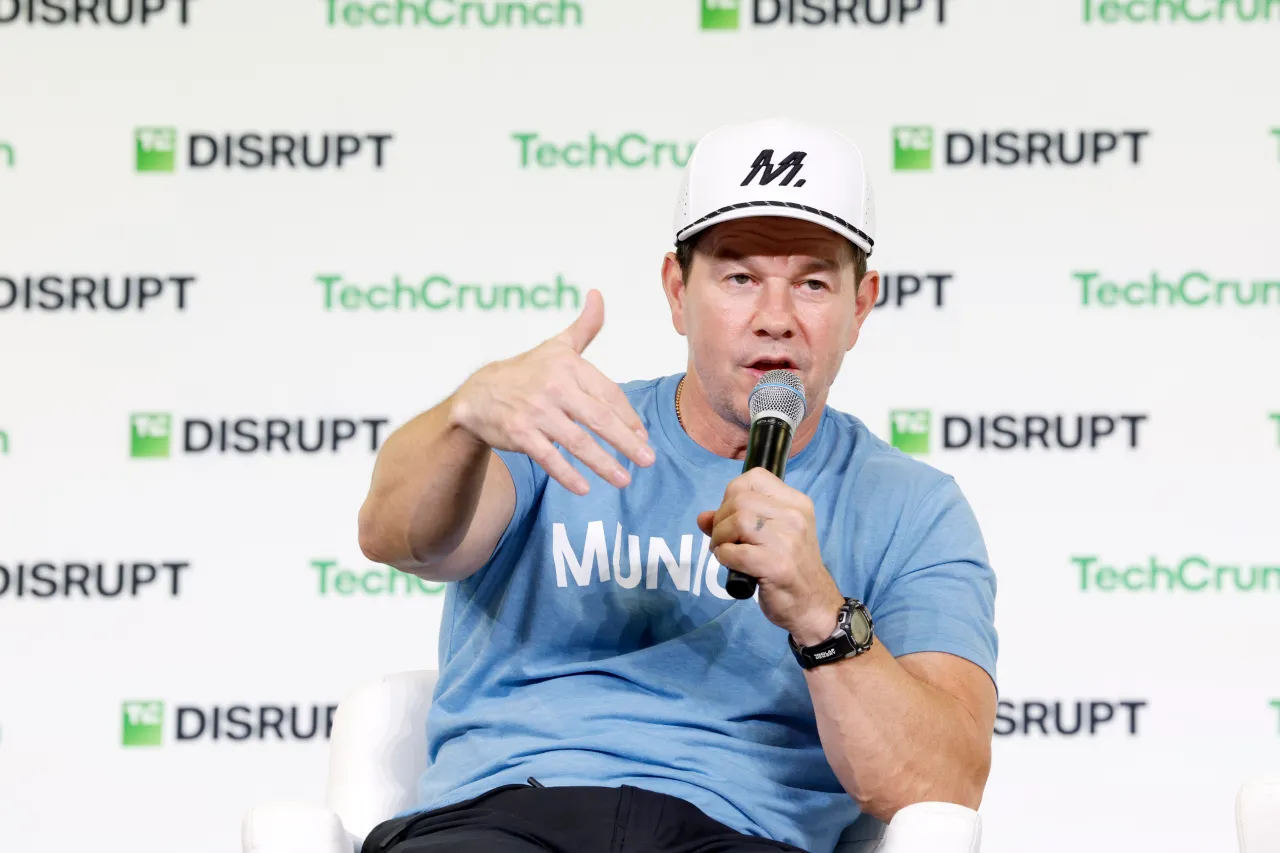
Speaking onstage at a major tech conference recently, Wahlberg opened up about how he plans to integrate AI into his own upcoming projects—and surprisingly, why he wouldn’t mind letting a digital clone carry on his acting career long after he is gone.
Enhancing the Set, Not Replacing the Craft
For Wahlberg, the distinction between “good AI” and “bad AI” in filmmaking comes down to enhancement versus replacement. He revealed that his production team is already looking at ways to use AI to scale up visual environments for an upcoming biopic about baseball legend Pete Rose, in which he is set to star.
Because period sports movies carry a massive budget, his team is exploring AI tools to build out and enhance the stadium crowds and background environments. However, he is quick to draw a hard line against letting algorithms take over the creative core.
In his view, you shouldn’t just type a lazy prompt into an AI chatbot, have it spit out a script, and shoot a project without real human actors. If the technology is used strictly to elevate what human creators are already doing on screen, he is all for it.
Even with these new digital tools available, Wahlberg emphasized that strong storytelling still has to sit at the center of any great film. Looking back at his own filmography, he noted that he came up during the golden era of early CGI blockbusters—pointing to cultural moments like the original Jurassic Park or the massive hundred-foot wave featured in the trailer for The Perfect Storm. Back then, cutting-edge computer graphics alone could blow audiences away. Today, audiences are so desensitized to digital spectacle that pure visual effects don’t excite him nearly as much as a grounded, compelling story.
Passing the Torch to a Digital Clone?
The conversation took an even more fascinating turn when the moderator asked whether Wahlberg had visited the CAA Vault—a specialized facility run by Creative Artists Agency that scans and records an actor’s face, body, movement, and voice to build an authorized AI replica.
While Wahlberg admitted he hasn’t stepped into the scanning rig yet, he is genuinely intrigued by the concept, especially when thinking about his family’s future.
From his perspective, handing control of his digital likeness over to his children and grandchildren—allowing them to manage his image and potentially cast him in great movies down the road—sounds like an exciting way to preserve a family legacy.
Keeping Franchises Alive for Decades
That openness extends to voice acting and animation as well. Wahlberg mentioned that he wouldn’t object at all if his upcoming animated Ted series used an AI-generated version of his voice and likeness to keep new episodes rolling out for decades after he retires or passes away.
To him, it comes down to audience demand and nostalgia. He reflected on how there are plenty of shows and stories from his own childhood that he wishes were still around today. If he is no longer around to step into the recording booth, but fans still genuinely want to watch those characters, he sees no reason to block it. Ultimately, Wahlberg believes that in the future, audiences will have endless choices—and if there is still a real appetite for a project, viewers should be able to enjoy what they want to see.